
From Riverside Drive to the Mesa
American PrometheusThis thread follows Oppenheimer from a privileged, intellectually sheltered childhood into the leadership of the wartime laboratory that changed his life and the world.
increasing Bearing strength in each event
 decreasing
Bearing strength in each eventdecreasingA Riverside Childhood
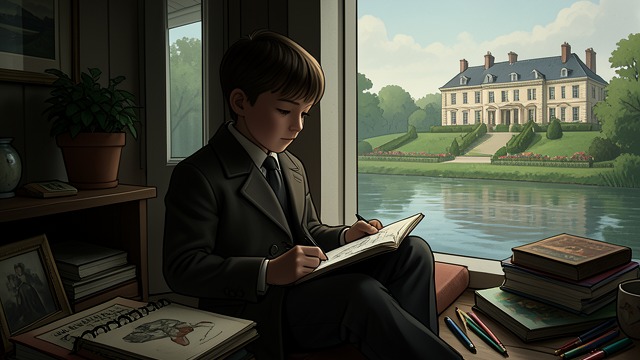
A Riverside Childhood
Privilege and solitude
Robert grew up in a wealthy household shaped by art, books, and exacting standards. His parents encouraged his curiosity while keeping much of ordinary childhood at a distance.
An early identity
His family’s secular Jewish life and his own sensitivity to difference left questions of belonging unsettled. His extraordinary opportunities would coexist with insecurity and self-consciousness.
The Ethical Culture School
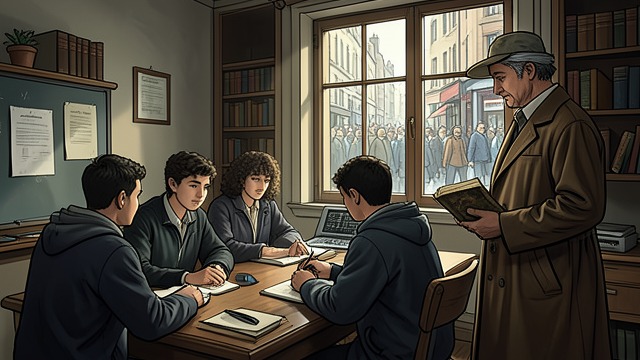
The Ethical Culture School
Deed and inquiry
At the Ethical Culture School, Robert encountered an education joining intellectual work with social responsibility. Teachers encouraged independent study, literature, science, and ethical debate.
A difficult inheritance
The school offered both a protective home and a moral vocabulary. Its faith in individual responsibility would later sharpen his struggle over the consequences of scientific work.
The New Mexico Awakening
The New Mexico Awakening
A wider world
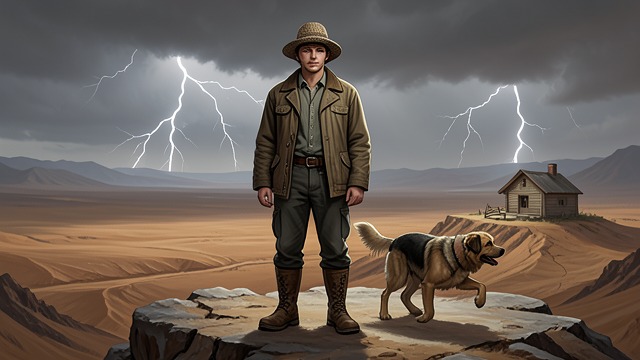
A western journey with Herbert Winslow Smith brought Robert into the landscapes and social life of New Mexico. At Los Pinos, Katherine Page’s friendship gave him unusual confidence and acceptance.
A place to return
The mountains offered a physical freedom absent from his sheltered childhood. New Mexico became an enduring refuge, later joined to his working life through Perro Caliente Ranch and Los Alamos.
The European Apprenticeship
The European Apprenticeship
Crisis and recovery
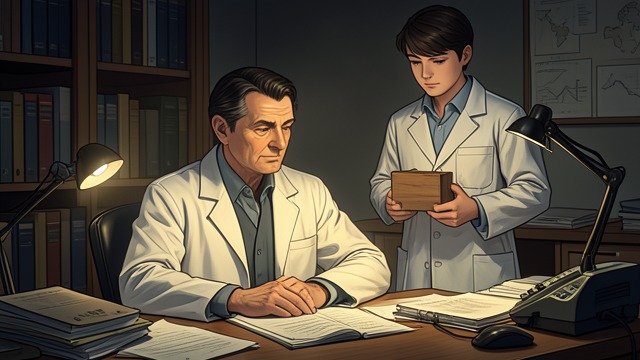
At Cambridge, laboratory failure, isolation, and emotional distress nearly overwhelmed Robert. Moving into theoretical physics and studying with Max Born restored his confidence and gave his gifts a direction.
A scientific identity
Work with leading European physicists helped him become an internationally recognized theorist. He returned to America with a vocation, though his emotional balance remained vulnerable.
The Director of Los Alamos

The Director of Los Alamos
A new responsibility
Chosen to direct a remote weapons laboratory, Oppenheimer had to become an administrator, recruiter, and mediator. He built a community around scientists who had never worked at such speed or scale.
A transformed leader
The successful Trinity test confirmed the laboratory’s achievement and made its director a national figure. The success also placed moral consequences at the center of his identity.
1904–1911, on New York’s Upper West Side
1911–1921, during his school years
Summer 1922, on the Los Pinos ranch
1925–1929, from Cambridge to Zurich
1942–1945, from recruitment to Trinity
